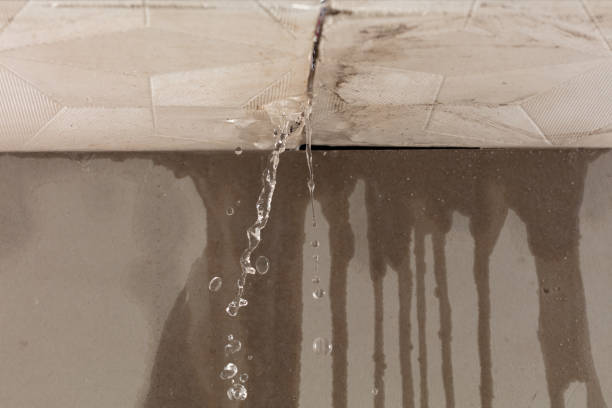
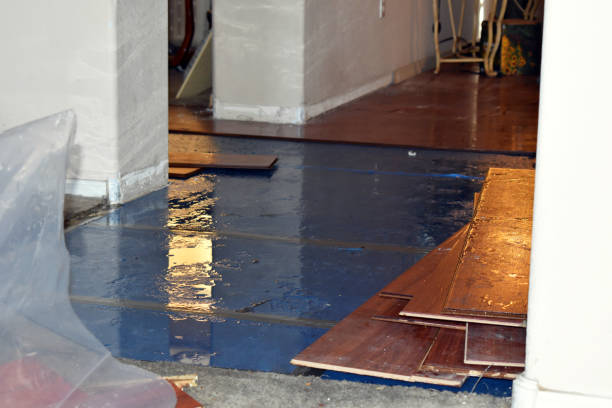
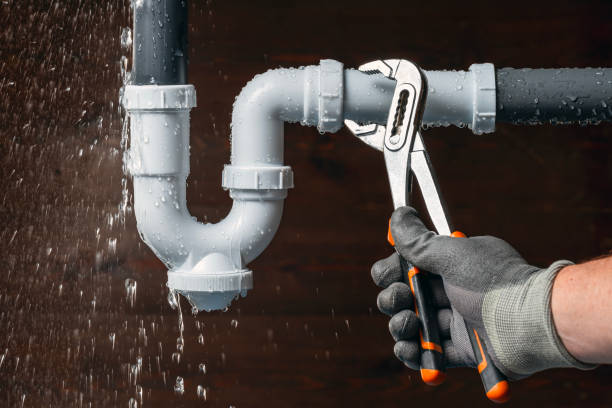
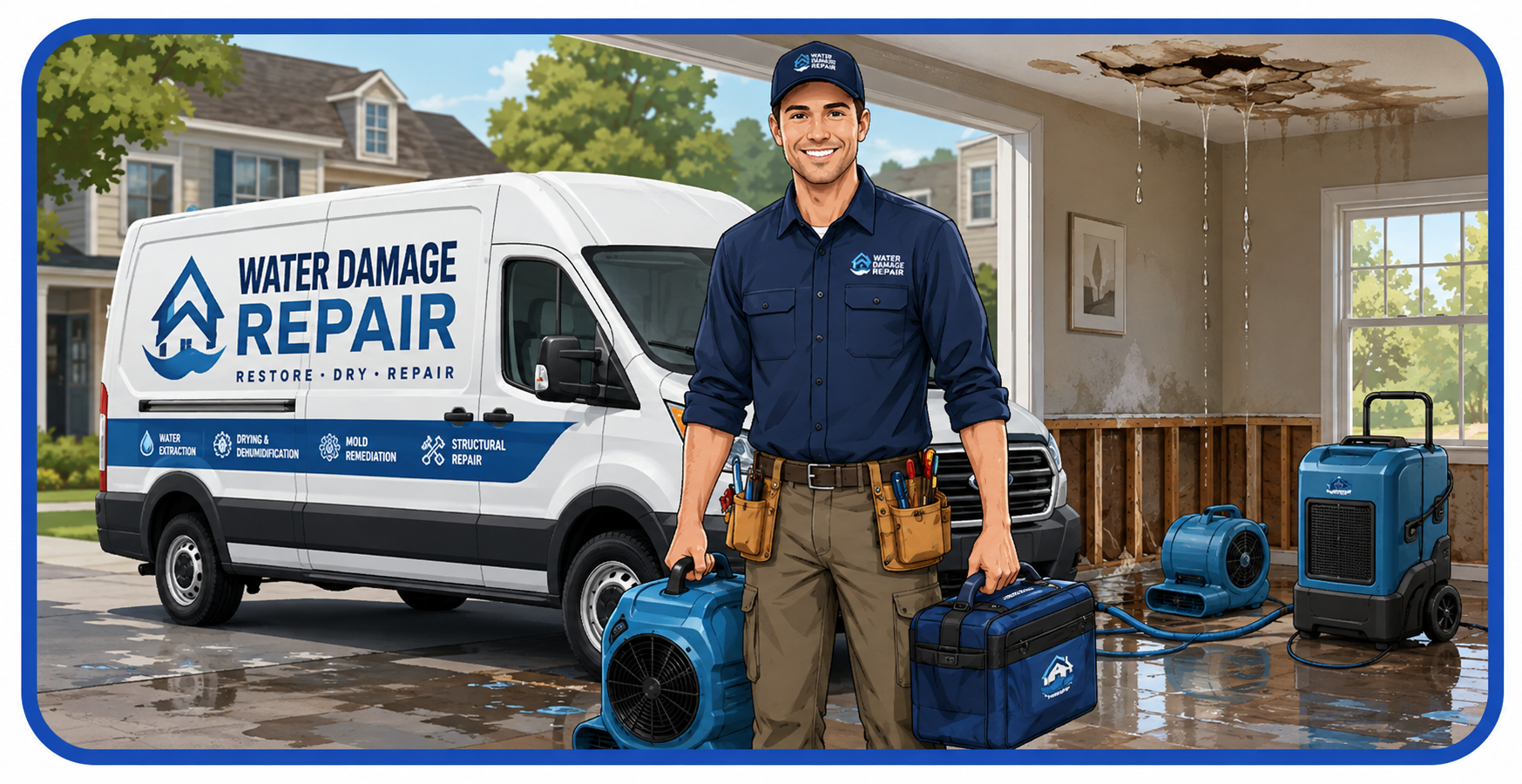
There's a specific kind of dread that comes with standing water spreading across a McDonald living room floor. We're built to shorten that window between the panic and the fix.
Call +1-844-578-1604
Crews staged inside McDonald limits
Written estimate, no hidden line items
Licensed & insured, verifiable on request

Ask a McDonald homeowner who's dealt with a burst pipe at 3am and, if they called us, they'll tell you the same thing: someone answered, and someone showed up. That's the whole model.
Our McDonald dispatch desk is staffed around the clock by people, not an automated queue, which matters most at exactly the hour you're calling.
Homeowners dealing with a flood are stressed enough without technical jargon, so we train our crews to explain the process in plain terms from the first phone call.
Water damage rarely starts as a dramatic flood — it usually starts small, and these are the signs worth acting on before the damage spreads further.
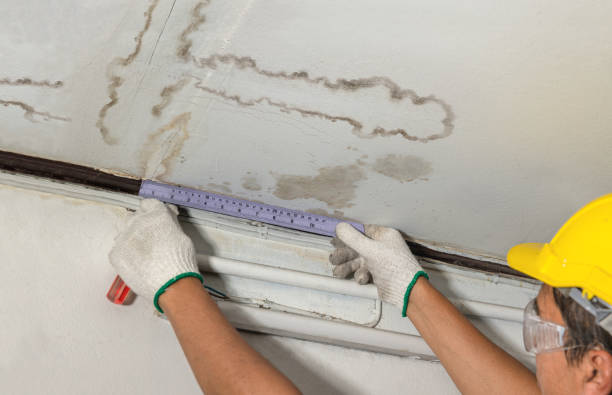
A ring that reappears within weeks of a fresh coat of paint means the moisture source is still active, and it's usually a plumbing line, not a roof issue, especially near bathrooms.
A smell that gets stronger after rain is a strong hint that groundwater or a foundation crack is letting moisture in during wet weather.
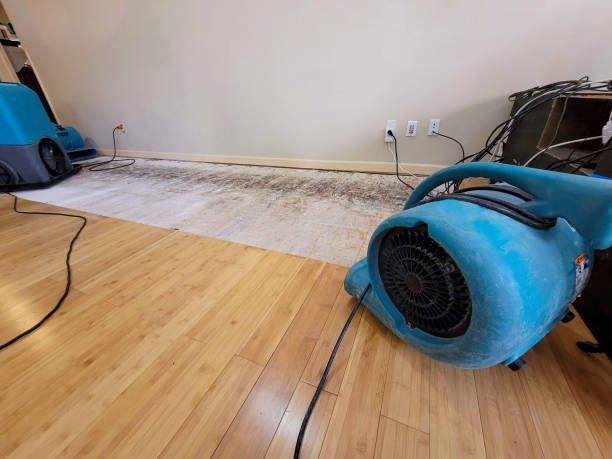
Flooring that shifts slightly when you walk on it, even subtly, is worth a moisture reading before it gets worse.
A sudden increase in usage with no change in household habits is often the earliest sign of a slab leak, well before any visible water shows up.
Wallpaper that suddenly lifts at the seams after holding fine for years often signals a change in the humidity or moisture level inside that wall cavity.
Dark spotting around grout lines or window frames is frequently the first visible sign of a developing moisture problem.
If more than one of these sounds familiar, it's worth a professional moisture check sooner rather than later.
Treating Water Removal as a single continuous job, rather than a series of handoffs, is what keeps timelines shorter and documentation consistent.
Every service below gets the same documentation standard, whether it's a single wet closet or a full commercial loss.
We treat extraction speed as the single biggest variable we control — every additional hour of standing water raises the odds of secondary damage.
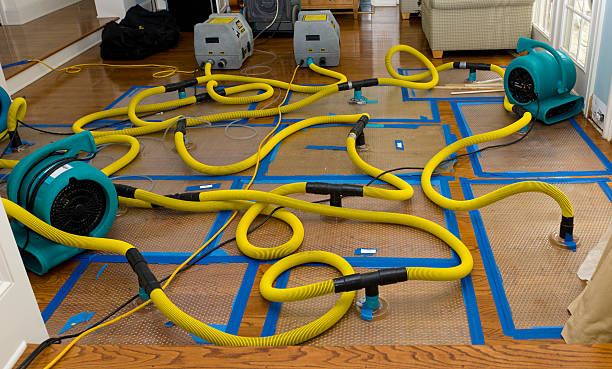
We don't call a structure dry based on a visual check — the moisture meter has the final say before equipment comes down.
Materials that had direct contact with contaminated water almost always come out rather than get dried in place — that's a safety call, not a cost-cutting one.
We treat the 48-hour mold window as a deadline for our own drying timeline, not a talking point.
Reconstruction starts from the actual drying documentation, not a fresh guess, which keeps the repair scope accurate.
Specialized content cleaning often saves items that looked like a total loss at first glance, which keeps replacement costs off your claim.


This is the same sequence every job follows, whether it's a single flooded room or a full commercial loss.
A live dispatcher, not a voicemail tree, takes your call and asks a few quick questions about the source and severity so the crew rolls out prepared.
Skipping or rushing this step is how hidden moisture pockets turn into a mold problem months down the line.
Extraction and drying run as one continuous process rather than two separate scheduled visits.
Every affected area gets re-tested before we call the job complete — no shortcuts on the sign-off.
None of these four things matter in isolation — it's the combination of licensing, speed, honest pricing, and a real guarantee that actually changes the outcome of a water emergency.
We'll show you the credentials before we show you the invoice, if that's what puts you at ease.
Shorter drive times matter most in the first hour after a loss, which is exactly when local staging pays off.
You get a written estimate before equipment turns on, not a surprise invoice after the fact.
Every job closes with a documented re-inspection, not a handshake and an invoice.
If our readings don't hit a safe drying standard on schedule, equipment stays running at our cost until they do — that's the bar we hold ourselves to.
The standard doesn't change based on job size — a single bathroom flood gets the same sign-off criteria as a full commercial loss.
Call +1-844-578-1604Aqua Guard Water Damage routes crews across McDonald and its surrounding zip codes, including 37353, so response times hold steady no matter which side of town the call comes from.
Coverage extends past the city core into the surrounding McDonald suburbs, so an outlying address isn't treated as a second-tier call.

"Our water heater gave out overnight and by the time I found the pool of water it had already crept under the cabinets. The crew here in McDonald had it extracted and drying equipment running before I finished my coffee."
Renee A., McDonald"The daily moisture log gave me something concrete to look at instead of just being told to trust the process."
Owen D., McDonald"They didn't cut corners on the sanitization step even though it clearly slowed them down — with two kids in the house, that mattered to us."
Fatima J., McDonald"The reconstruction crew matched our original flooring almost exactly after the repair — you'd never guess there was ever a leak."
Lucas P., McDonald"Getting a daily drying log meant we always knew where the job stood instead of a vague verbal update."
Grace T., McDonald"Working a commercial job around our business hours could have been a scheduling nightmare, but they made it simple."
Nathaniel W., McDonald"The technician explained exactly which boards needed to go and which tested dry enough to keep, so we didn't overpay for the repair."
Bianca H., McDonald"They explained the crawl space drainage issue in plain terms instead of technical jargon, and fixed it on the spot rather than scheduling a separate trip."
Derek S., McDonald"They found the actual source of the leak instead of just drying the surface damage, which saved us from the same problem happening again in a month."
Melissa C., McDonald"Being out of town when it happened was stressful enough — having a crew that could work directly with our property manager made it manageable."
Victor N., McDonald